
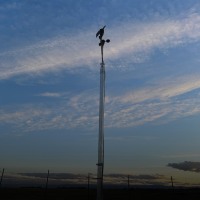
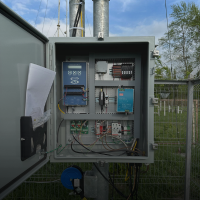
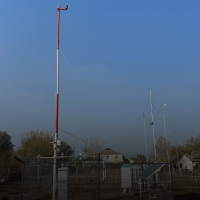
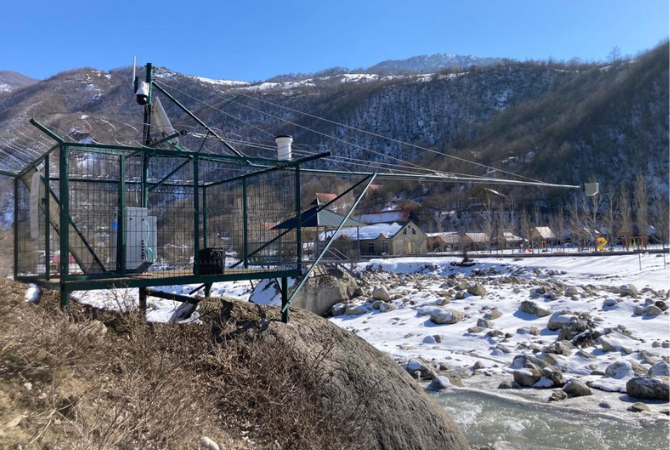
Automatic Hydro Station
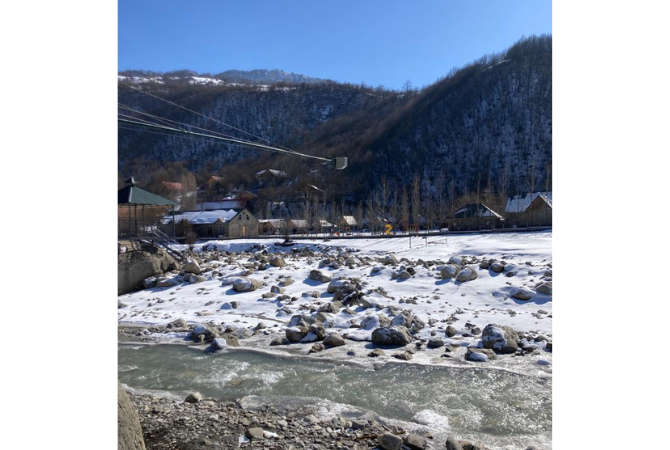
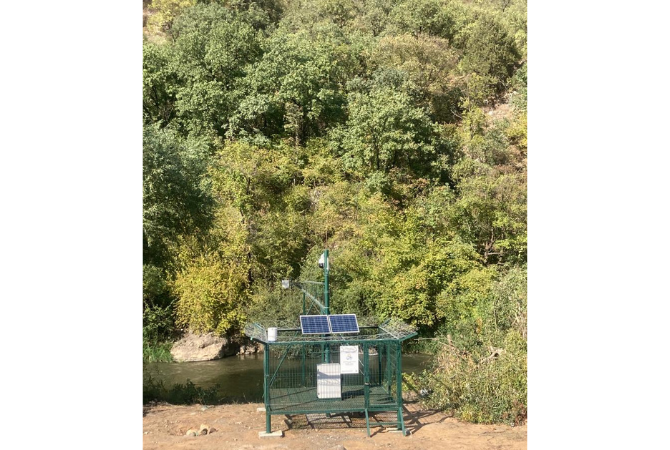
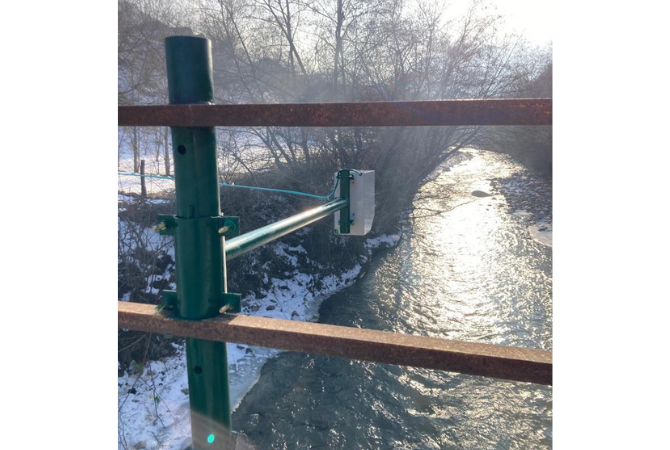
Automatic Hydro Station can be used for a variety of reasons such as flood-control, water management (discharge and level measurement), effects of climate change on water resources, and the behaviour of water in certain regions. Data from hydro monitoring stations play a vital role in protecting against environmental hazards such as high-impact weather and flash-flooding and provide relevant information for water resource decisions.
| Parameters measured: | |
| Water level | 0 ... 15 m / 0 ... 30 m |
| Velocity | 0.08 ... 16 m/s |
| Water temperature | -5 °C ... +50 °C |
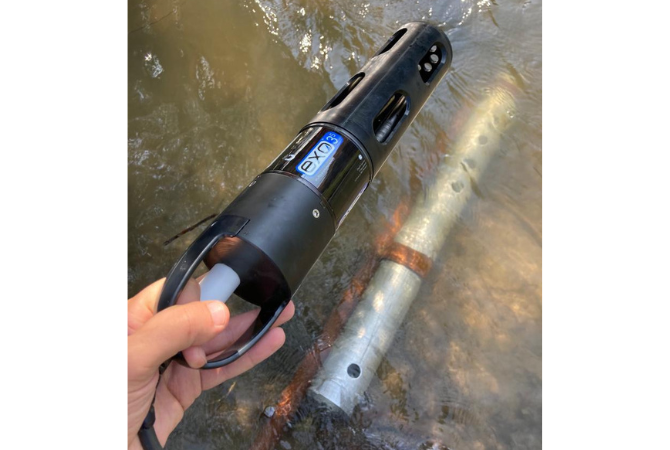
| Water quality | Ammonium (freshwater only), Blue-green Algae, Chloride (freshwater only), Chlorophyll, Conductivity, Dissolved Oxygen, Nitrate (freshwater only), pH, Turbidity, ORP |
| Rain | tipping bucket: area 200 or 400cm2, 600 mm/h (0.1 and 0.2 res. versions) and 1000 mm/h (0.5 res. version) |
| weighing: 0 ... 3000 mm/h | |
| Evaporation | [mm/day] |
| Parameters calculated: | |
| Discharge | Automatic discharge calculation based on hydraulic model with multiple dynamic k-factors |
| Salinity | Calculated from Conductivity and Temperature |
| Total Dissolved Solids (TDS) | Calculated from Conductivity and Temperature |
| Total Suspended Solids (TSS) | Calculated from Turbidity and user reference samples |
